古大爷 Gudaye
Language English

ANCIENT TREE / Real old trees, hand-picked

Old Trees, Chosen at Source

'Old-tree tea, hand-picked' isn't a slogan — it lands on four concrete moves: pick the mountain, pick the tree age, pick the farmer, pick the craft. The first three answer 'is it real?' — finding genuine hundred-year-old trees. The last answers 'is it ruined?' — even the best leaf can be wasted by a fast process.

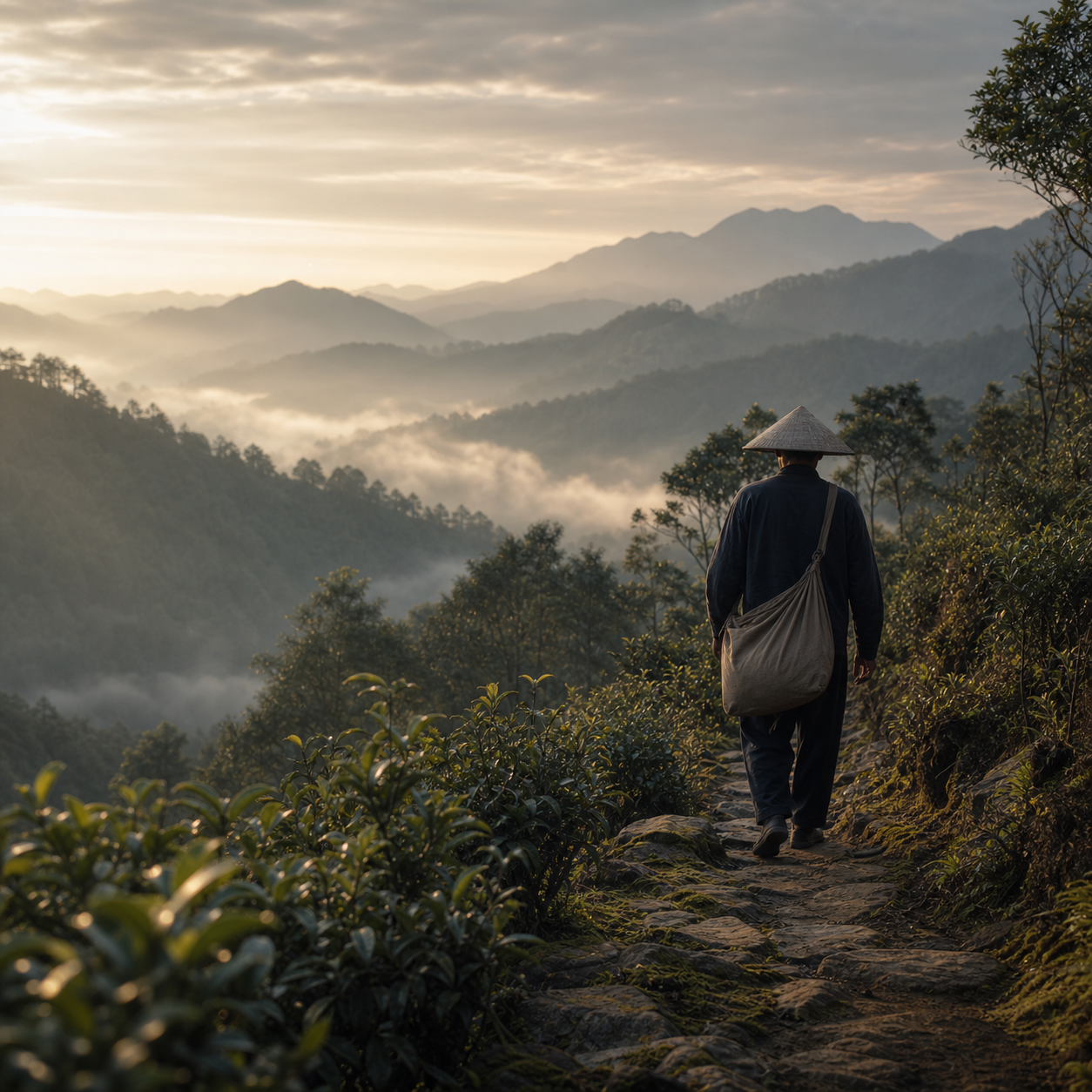
Pick the Mountain 概念视觉(非纪实图)

01

Pick the Mountain

Over a decade walking Yunnan's tea mountains

Where the old trees grow, who owns them, whether they're really over a hundred years old — this is the question of true or false. Lao Tian has walked Yunnan's major tea regions: Jingmai, Bangzhang, Bingdao, Yiwu, Mengku, Fengqing, Lincang, Menghai — and knows which mountains hold real old trees, and which are only good for stories. Picking the mountain isn't chasing famous names; it's deciding first whether this land is worth turning into tea you'll drink for years.

  • No chasing famous names — read the grove, the soil, the ecosystem
  • Long-term relationships with local farmers — information, not rumor
  • Same mountain, different villages — huge difference; the details decide what's real
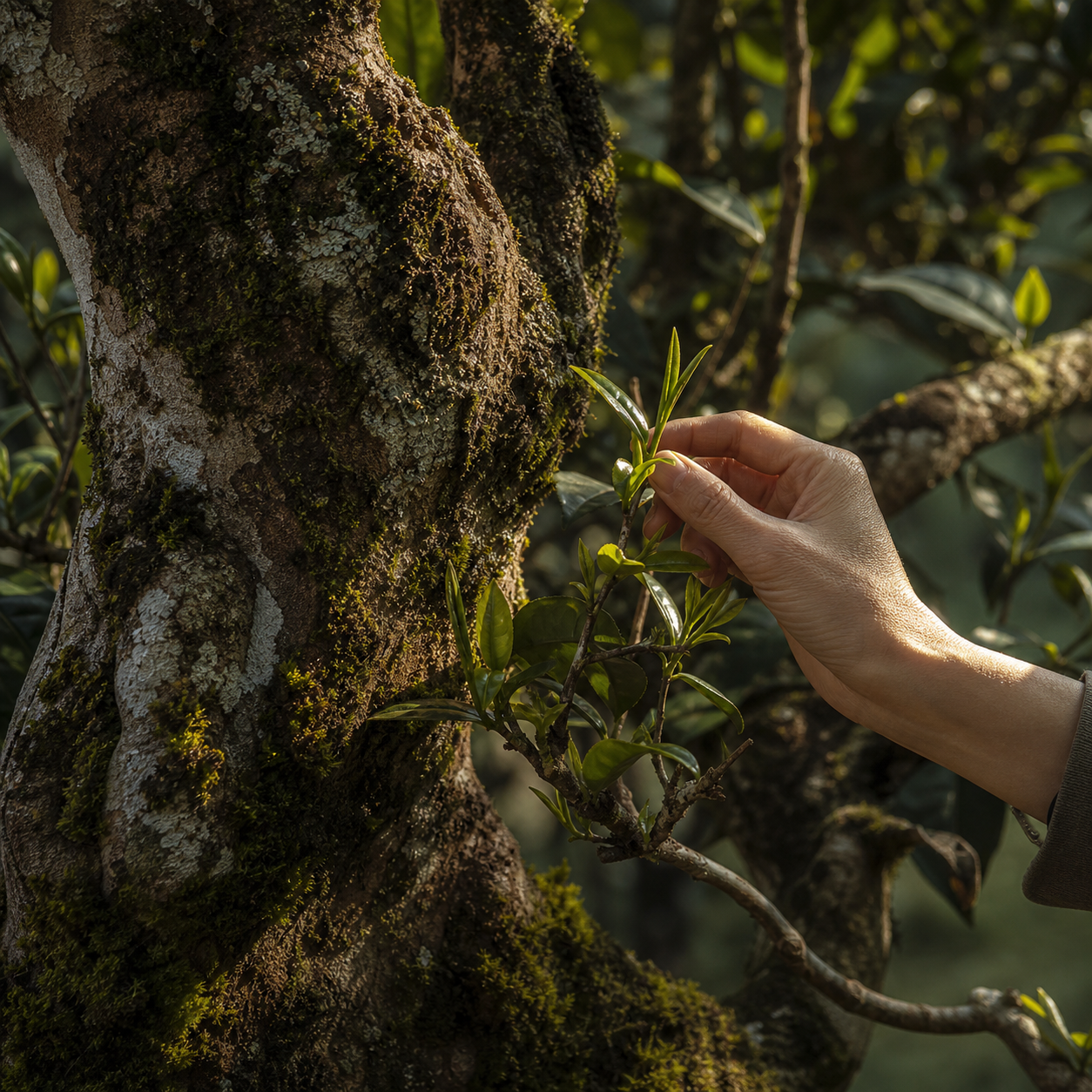
Pick the Tree Age 概念视觉(非纪实图)

02

Pick the Tree Age

Only material from trees over a hundred years old

Tree age isn't a marketing number. It corresponds to root depth, the range of soil nutrients the tree can reach, the concentration of compounds in the leaf, and whether this tea can hold up through years — even a decade — of aging. Gudaye only works with trees over a hundred years old. No plantation tea, no commodity blends. Even within one old grove, leaves from different windows, different bud conditions, different processing can vary dramatically — being 'real' isn't enough; you still have to pick.

  • No plantation tea (under 30 years old)
  • No commodity blending (old-tree + plantation by ratio)
  • Tree form, leaf surface, taste, mouthfeel — judged together, not by one cue
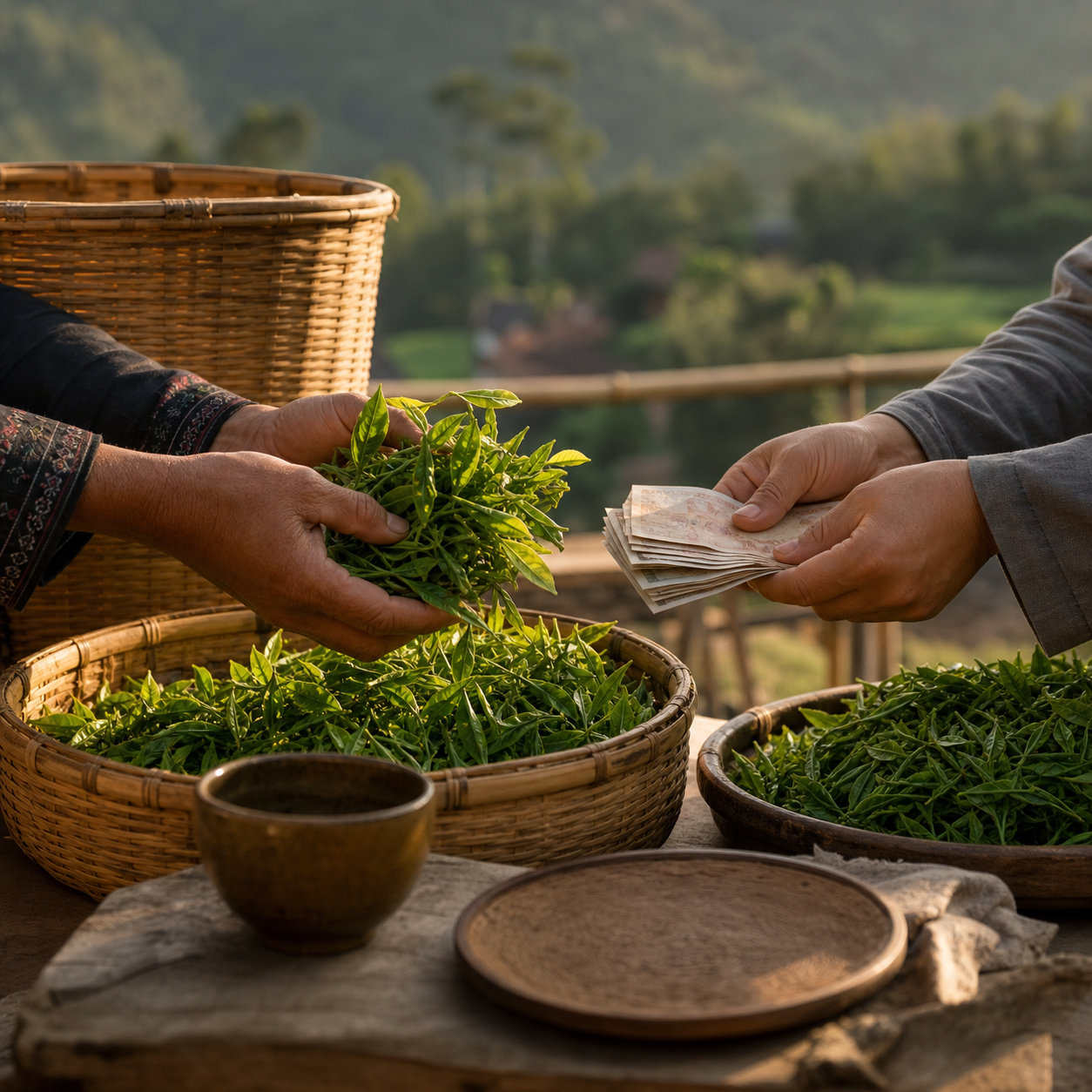
Pick the Farmer 概念视觉(非纪实图)

03

Pick the Farmer

Pick the honest ones. Stay for years.

Same mountain, same tree age — the tea can still come out very differently. The difference is usually the person. Some farmers are honest; others have angles. One will give you old-tree material if that's what was promised; another will tuck plantation leaves into the bottom of the basket, mix old stock into a new harvest, or quietly swap the lot at delivery. Picking the farmer means finding, household by household, the ones who care more about their name than about one basket of tea — and then working with them year after year. Once you know each other, he knows you have a sharp eye and you pay cash on the spot; you know which grove, which trees, which day his basket came from. Whether the material stays good year after year doesn't come from a contract. It comes from picking the right person.

  • Pick the person first — honest, won't sell out for a quick profit
  • Years of repeat work — no swapped lots, no inferior leaf passed off as good
  • Cash on the spot — trust grows with time, not from a contract
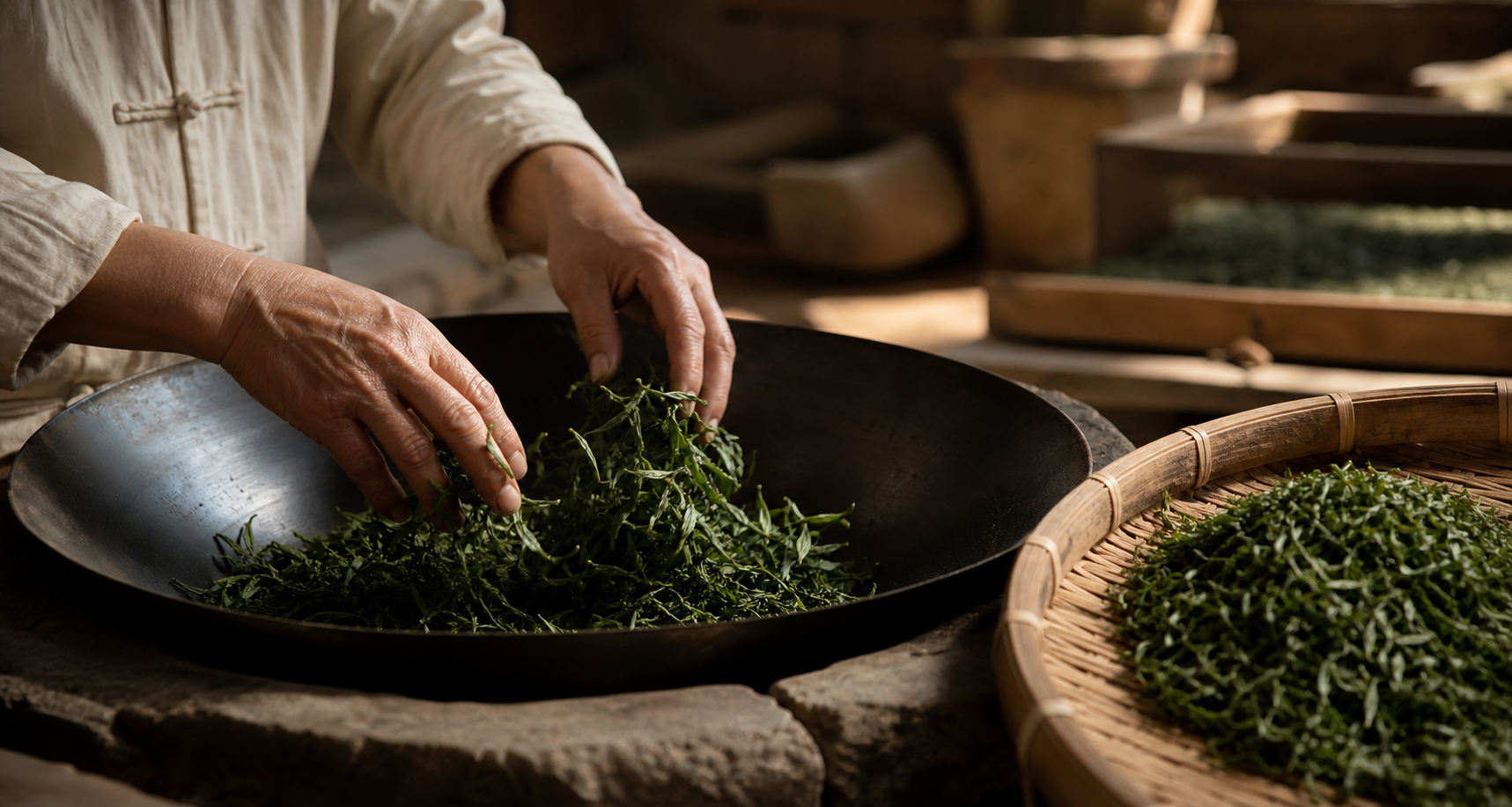
Pick the Craft 概念视觉(非纪实图)

04

Pick the Craft

Even great old-tree leaf can be wasted by a fast process

Craft is the continuation of the material, not a coat of paint over it. No matter how well the leaf is picked, if it meets high-heat fixation, heavy withering, or light pile fermentation — the fast tricks that 'make a young tea charming' — the room for years of transformation is spent up front. Gudaye picks the craft so a tea with a future doesn't get turned into a tea only fit for today. The specific methods are on the Slow Craft page.

  • Raw Pu-erh: light kill-green at 60–85°C, stop the moment it's done
  • Ripe Pu-erh: traditional pile fermentation + 3–5 years of natural aging
  • Black tea: bamboo-screen withering, basket fermentation, shutter-style drying
  • White tea: full shade-drying, natural withering ≥ 4 days